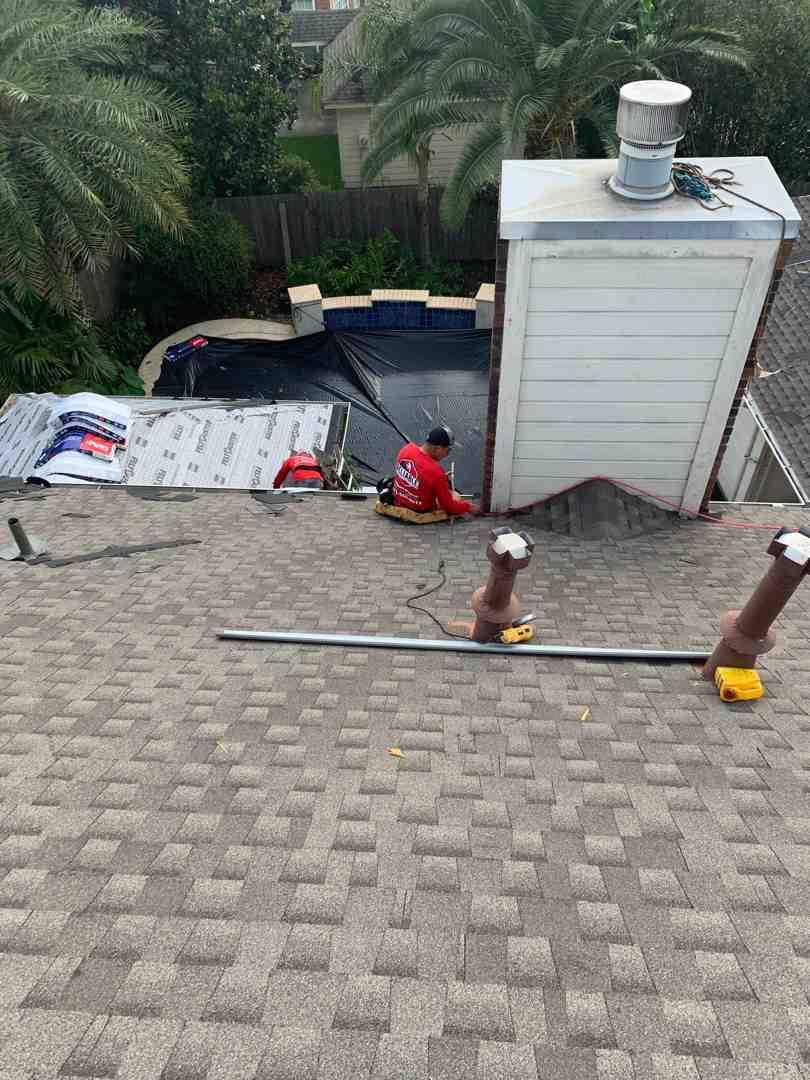
Rosenberg, TX storm damage can be anything from a few lifted shingles to a leak that soaks a bedroom ceiling. Fort Bend County gets severe thunderstorms, hail and heavy rain, and what you do in the first few days after a storm often decides whether you need a quick repair or a bigger restoration job.
This guide walks you through it: what to do right away, how to tell hail damage from wind damage, how the insurance process works and how to protect your home before the next storm.
I’m David Shepherd with Reliable Roofing & Restoration. We handle storm damage assessments and repairs for homeowners in Rosenberg, Richmond, Texas and across Fort Bend County.
Table of Contents

7 Steps to Take After Rosenberg, TX Storm Damage
When the weather clears, it is tempting to grab a ladder. Don’t. Wet shingles are slippery, and damaged roofs can be weaker than they look. Start with these steps instead.
- Stay safe. Keep away from downed power lines and hanging limbs, and stay off the roof.
- Check inside. Look for drips, ceiling stains and wet insulation in the attic.
- Protect belongings. Move furniture and electronics away from leaks and set out buckets.
- Document everything. Take photos and videos of all visible damage before anything is moved or covered.
- Call your insurance agent. Ask about your coverage and next steps.
- Get a professional assessment. A local roofer can find damage you might miss from the ground.
- Keep your receipts. Save receipts for tarps, buckets or anything you buy to protect the home.
The National Weather Service thunderstorm safety page has more tips on staying safe during and after a storm.
Hail Damage vs. Wind Damage
Storms here can bring hail, strong winds and heavy rain in the same afternoon. One storm cell can affect a whole neighborhood at once, so your neighbors may be dealing with the same thing.
Here are the main differences between the two most common types of storm damage:
| Damage type | What you may see | Main risk to the home |
|---|---|---|
| Hail | Round bruises on shingles, dented vents and gutters, granules at downspouts | Granule loss that wears shingles out faster and can lead to leaks |
| Wind | Lifted or missing shingles, creased tabs, limbs on the roof | Water getting in through exposed underlayment or decking |
Signs of Hail Damage
Hail often leaves dark spots where granules were knocked loose. Some spots feel soft when pressed. You may also see dents in gutters, downspouts, roof vents and outdoor equipment.
Hail damage is easy to miss from the street, which is why a closer look matters even when the roof seems fine.
Signs of Wind Damage
Wind tends to start at the edges, corners and ridges. Look for shingles in the yard, edges that look like they are peeling up and gaps along the ridge where caps are missing.
Even shingles that are still in place may have lost their seal. They can lie flat after the storm and lift again in the next one.

Emergency Repairs: Stopping the Water
If you have an active leak or a hole from a fallen limb, the priority is to stop water from getting in. A small leak can quickly damage decking, insulation and drywall.
Emergency repairs usually mean drying in the roof with heavy-duty tarps until a permanent repair can be made. Clear wet limbs and debris away from walls too, since they can trap water against the house.
Read more: 24-Hour Emergency Roof Repair and Houston Emergency Roof Repair
Finding the Hidden Damage
After a storm, the most common concern is water getting in through damaged shingles, flashing or vents. We use thermal imaging cameras and moisture meters to find hidden leaks and wet decking before they turn into stained ceilings or damaged wood.
Our techs are flashing specialists. Flashing at walls, chimneys and valleys is a common place for storm leaks to start, and it is easy to overlook.
What We Check After a Storm
- Shingles on every slope for bruising, cracks, lifting and missing pieces
- Ridge caps, hips and edges where wind gets a grip first
- Pipe boots, vents and flashing
- Gutters and downspouts for dents and granule buildup
- The attic for stains, damp insulation and daylight
- Decking for soft spots when the roof is opened up
You get photos of what we find and a clear explanation of the options.
Working With Your Insurance Company
The insurance process goes smoother when you are prepared. Photos are your best record: hail next to a ruler or coin if you can, dents in gutters and vents, and marks on fences or outdoor equipment.
When the adjuster visits, it can help to have your roofer there to point out damage, such as unsealed or creased shingles.
We can put together a photo damage report and help with insurance claim documentation, including Xactimate reports. Whether your policy covers the damage depends on your policy and the cause. The Texas Department of Insurance storm resources explain how claims work in Texas. This is not legal or policy advice; contact your insurance agent for recommendations.
Read more: Does Insurance Cover Roof Replacement? and Roof Replacement Insurance Claims

Storm Damage Beyond the Roof
The roof takes the most punishment, but storms can damage other parts of the house too. While you are walking around, check these areas.
Siding
Hail and flying debris can crack or chip siding boards, and trim and caulking can be damaged even when the siding holds up. James Hardie siding is durable, but large debris can still crack boards. Read more: Siding Services
Gutters and Downspouts
Dented gutters are one of the easiest signs of hail to spot. Check that gutters are still attached to the fascia and that downspouts still carry water away from the foundation. Read more: Gutter Services
Windows, Screens and Paint
Look for torn screens, chipped paint and dents in window frames. Exterior paint that was chipped by hail can let moisture into the wood underneath. Read more: Painting Services
A Realistic Timeline for Storm Recovery
Every storm is different, but most recoveries follow a similar pattern.
| When | What usually happens |
|---|---|
| First day | Safety check, photos, protect belongings, emergency tarp if needed |
| First few days | Call your insurance agent and schedule a roof assessment |
| First week or two | Adjuster visit, damage documentation and estimate |
| After approval | Schedule repairs or replacement, HOA paperwork if needed |
| Install | Simple repairs take hours; most replacements take 1–2 days |
After a widespread storm, schedules fill up fast across Fort Bend County. Calling early and having your photos ready helps keep things moving.
Common Mistakes After Storm Damage
- Waiting to see if a leak gets worse. Water damage grows quietly in the attic and walls.
- Climbing on the roof. Wet, damaged shingles are dangerous to walk on.
- Throwing away damaged items too soon. Photograph everything first.
- Signing with the first person at the door. Take time to check reviews and get a written estimate.
- Assuming no visible damage means no damage. Hail bruises are hard to see from the ground.
Repair or Replace After Storm Damage?
If a storm took a few shingles and the rest of the roof is in good shape, a repair is usually the right call. Simple repairs typically run $450–$950 and take 2–4 hours, and they can often be done the same day.
If damage is spread across several slopes, or the roof was already near the end of its life, a replacement often makes more sense.
Read more: Roof Repair vs. Replacement
What a Replacement Costs
Our average asphalt shingle roof costs $300–$450 per square, and tear-off is bundled in. A square is 100 square feet of roof surface. Pricing is strongly determined by the pitch, waste factor, and type of shingle.
A 2,000 square foot house often has about 20–25 squares of roof, which puts a typical replacement around $6,000–$11,250. Most replacements take 1–2 days.
Financing is available through our partner Enhancify, including 0% promotional APR options for qualified borrowers, subject to credit approval; lender sets terms. You can also ask us about payment options.
Choosing Materials for the Next Storm
A replacement after a storm is a chance to choose a roof that holds up better next time. We install laminated, impact-resistant and designer asphalt shingles.
| Shingle | Why homeowners choose it |
|---|---|
| GAF ArmorShield II | Our impact-resistant pick for homeowners worried about hail |
| GAF Timberline HDZ | A popular laminated shingle with a wide color range |
| CertainTeed Landmark | A trusted laminated shingle with a classic look |
| GAF Timberline Natural Shadow | A laminated option with a natural shadow line |
| TAMKO Heritage | Our budget-friendly laminated option |
Every roof we install includes synthetic underlayment, starter shingles, ice/water membrane in valleys, new lead jacks, ridge vents and ridge caps. Every roof replacement is backed by our Lifetime Workmanship Warranty, which covers our installation. Manufacturing or material defects fall under the shingle manufacturer’s warranty.
Read more: A Sugar Land Guide to Hail Damage
What Happens During a Storm Damage Replacement
If your roof needs replacing, here is what the work looks like from start to finish.
- Prep. We protect landscaping, cover the pool area if you have one and set up for debris.
- Tear-off. The old shingles and underlayment come off down to the decking.
- Decking check. Soft or damaged boards are replaced before anything new goes on.
- Underlayment and membrane. Synthetic underlayment covers the deck, with ice/water membrane in the valleys.
- Shingles and ventilation. Starter shingles, field shingles, lead jacks, ridge vents and ridge caps go on.
- Clean-up. We run a magnet for nails and walk the job with you.
You get a digital estimate before work starts that shows the scope, the specific products and their warranties.
Permits and HOA Approval in Rosenberg
We help determine if a permit is needed, since requirements vary by HOA and location. Inside city limits, the City of Rosenberg Building Permits and Inspections page is the place to check current requirements.
If your neighborhood has an HOA, we help with the approval paperwork, including product names and colors, so the request is complete when you submit it.

Storm Season in Fort Bend County
Rosenberg doesn’t have just one storm season. Spring often brings the strongest thunderstorms and hail. Summer and early fall bring heavy downpours and the chance of tropical weather. Cold fronts in late fall and winter can arrive with gusty winds.
That means your roof sees stress from different directions throughout the year. A roof that came through spring fine may still have a weak spot by the time fall storms arrive.
A good habit is a quick walk around the house after every major storm, plus a look in the attic a couple of times a year. It takes a few minutes and catches most problems while they are still small.
Why Roof Age Matters After a Storm
Two homes on the same street can come through the same storm very differently. Often the difference is the age of the roof.
Newer shingles are flexible and well sealed. As they age, they lose granules, get brittle and the seal between them weakens. Hail that bounces off a newer roof can crack an older one, and wind that barely touches a newer roof can lift shingles on an older one.
If your roof is getting up in years and has already needed repairs after past storms, it may be worth talking about a replacement before the next one. We will show you what we see and let you decide.

Protecting Your Home Before the Next Storm
You can’t stop a storm, but a few simple habits make storm damage less likely and easier to handle. Follow local forecasts through the National Weather Service Houston/Galveston office.
- Trim overhanging limbs. Branches can scrape shingles or fall on the roof in high winds.
- Secure loose items. Patio furniture and grills can become flying debris.
- Take before photos. Photos of your roof in good condition help if you need to document damage later.
- Fix small problems early. Replace lifted shingles and cracked pipe boots before storm season.
- Keep gutters flowing. Clogged gutters can send water back toward the roof edge.
What to Keep in Your Storm File
A simple folder, paper or on your phone, makes the whole process easier. Here is what we suggest keeping:
- Photos of your roof, siding and gutters before storm season
- Photos and videos of any damage, with dates
- Your policy number and your agent’s contact information
- Receipts for emergency supplies or temporary repairs
- Estimates, photo reports and any notes from the adjuster
- The name and number of the roofer you are working with
When everything is in one place, you won’t have to dig for it while you are dealing with a leak.
How to Spot Storm Chasers
After a big storm, out-of-town crews often go door to door. Some do fine work, but many are gone by the time a problem shows up. Watch for these red flags:
- Pressure to sign on the spot
- No local address or history in Fort Bend County
- Asking for full payment before work starts
- Offering to handle everything with your insurance company without explaining the process
- Few or no Google Reviews from homeowners nearby
We build trust through our Google Reviews and our local reputation. Read more: Tips for Choosing Roofing Companies in Rosenberg
Frequently Asked Questions
What should I do first after storm damage?
Stay safe, stay off the roof, protect your belongings from leaks and take photos of everything. Then call your insurance agent and a local roofer.
How can I tell if hail damaged my roof?
Look for dents in gutters and vents and granules at the downspouts. Bruised shingles are hard to see from the ground, so have a roofer take a closer look.
Should I tarp my roof after a storm?
If water is getting in, a tarp can help until a permanent repair is made. Leave it to a professional, since climbing a wet, damaged roof is dangerous.
How much does a storm damage repair cost?
Most simple storm repairs land between $450 and $950. Larger damage may call for a section repair or a full replacement.
Can you help with my insurance claim?
We can document damage with photos and help with claim paperwork, including Xactimate reports. Talk with your insurance agent about your coverage.
Will storm damage get worse if I wait?
It often does. A small leak can soak decking and insulation for weeks before a stain shows up, and loose shingles can blow off in the next storm.
Can you check my siding and gutters too?
Yes. We look at gutters and siding as part of a storm damage visit and include anything we find in the estimate.
How long does a roof replacement take?
Most replacements take 1–2 days, at about 45 squares per day.
Get Help With Storm Damage in Rosenberg
Storm damage is stressful, but you don’t have to sort it out alone. Our team serves Rosenberg, Richmond, Texas, Sugar Land and the rest of Fort Bend County.
Contact us to schedule your professional assessment, or learn more about our roofing services and Rosenberg service area.